
Thermal Imaging
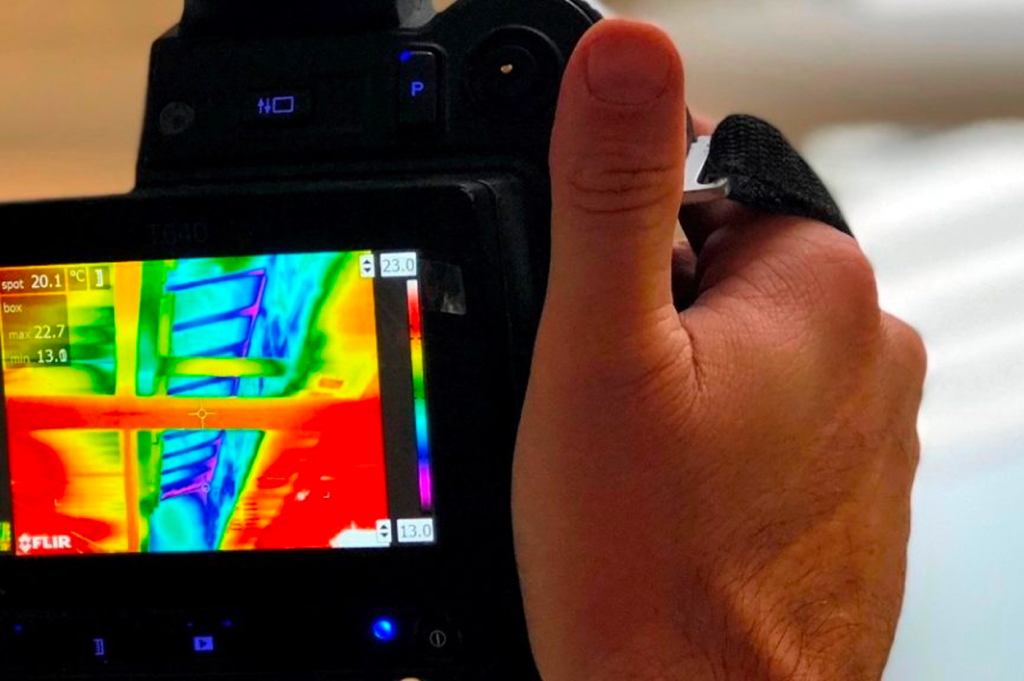
Keeping a rental space clean and well-maintained is essential for both landlords and tenants. One innovative tool that is gaining popularity in property management and cleaning is the thermal imaging camera. This technology helps detect hidden issues that are invisible to the naked eye, enabling more thorough cleaning and timely maintenance. This blog post explains how thermal imaging cameras work, their applications in rental space cleaning and inspection, and practical tips for effective use. How Thermal Imaging Cameras Work Thermal imaging cameras detect infrared radiation (heat) emitted by objects and convert it into a visual heat map. Different temperatures show up as varying colors, allowing users to see temperature variations across surfaces. This capability reveals hidden moisture, leaks, insulation gaps, and even dirt or contaminants that affect thermal properties. Applications in Rental Space Cleaning and Inspection Detecting Moisture and Water Leaks: Moisture trapped behind walls, under floors, or around plumbing fixtures shows up as cooler areas on thermal images. Early detection prevents mold growth and structural damage. Identifying Insulation Problems: Poor or missing insulation appears as temperature anomalies, helping landlords improve energy efficiency and tenant comfort. Locating HVAC Issues: Thermal cameras can reveal uneven heating or cooling, indicating HVAC malfunctions or duct leaks. Spotting Pest Infestations: Some pests generate heat signatures or cause temperature changes in nesting areas, which thermal imaging can detect. Assessing Cleanliness: Areas with dirt, spills, or organic residues may retain moisture or have temperature differences, assisting in identifying spots needing deeper cleaning. How to Use Thermal Imaging Cameras for Rental Space Maintenance Select a Suitable Camera: Choose a thermal imaging device with adequate resolution and temperature range for building inspection. Scan Methodically: Move the camera slowly over walls, ceilings, floors, and around plumbing or HVAC components to identify temperature irregularities. Interpret Images Carefully: Look for unusual hot or cold spots that may indicate leaks, insulation gaps, or contamination. Combine with Visual Inspection: Use thermal imaging alongside physical inspection to verify and pinpoint issues. Document Findings: Capture images and notes to track problems and communicate with tenants or maintenance professionals. Benefits of Thermal Imaging in Rental Property Management Benefit Description Early Problem Detection Identifies hidden issues before they escalate into costly repairs. Non-Invasive Inspection Allows inspection without damaging walls or flooring. Improved Cleaning Quality Reveals areas needing attention beyond visible dirt. Energy Efficiency Helps detect insulation and HVAC problems to reduce energy waste. Enhanced Tenant Satisfaction Proactive maintenance leads to healthier, more comfortable living spaces. Safety and Practical Considerations Training: Basic understanding of thermal imaging interpretation improves accuracy. Lighting Conditions: Thermal cameras work independently of visible light, so inspections can be done anytime. Device Care: Keep lenses clean and handle equipment carefully to maintain performance. Conclusion Thermal imaging cameras offer a powerful, non-invasive method to enhance cleaning and maintenance of rental spaces. By detecting hidden moisture, insulation gaps, HVAC issues, and contamination, they enable landlords and tenants to address problems early and maintain a healthier environment. Integrating thermal imaging into routine inspections improves property upkeep, reduces repair costs, and ensures tenant comfort and satisfaction.
UV Light Information
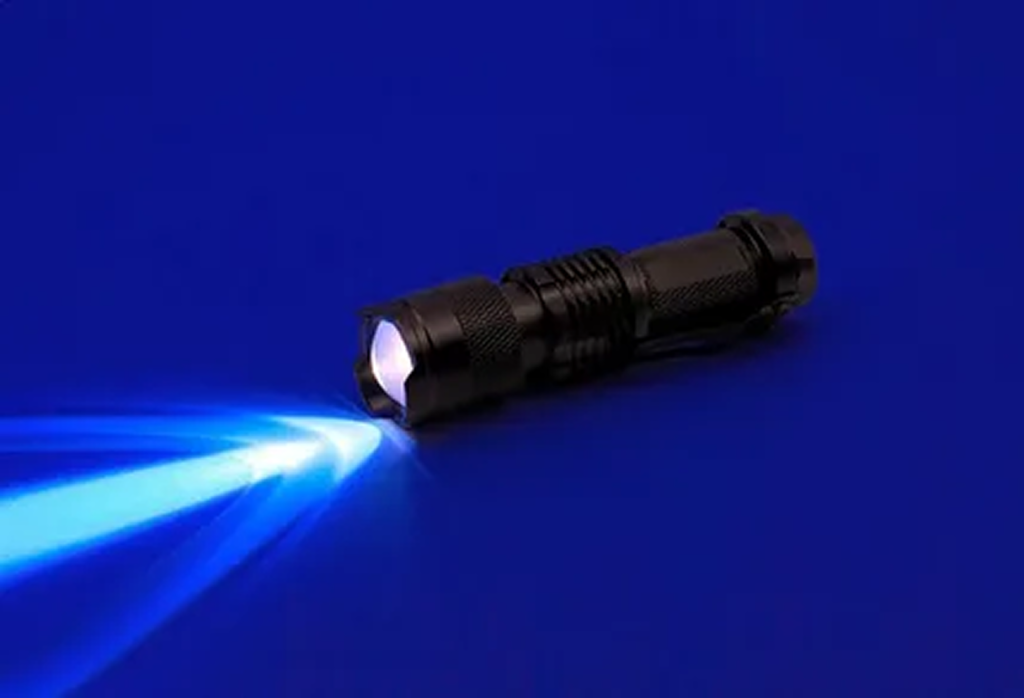
Maintaining a clean and fresh apartment can be challenging, especially when stains and spills are not always visible to the naked eye. Ultraviolet (UV) light offers an effective and innovative way to detect hidden stains, spills, and contaminants that might otherwise go unnoticed. This blog post explores how UV light works for stain detection, its practical applications in apartment cleaning, and tips for safe and effective use. How UV Light Helps Detect Stains and Spills UV light emits ultraviolet rays that cause certain substances to fluoresce or glow when exposed. Many organic materials such as bodily fluids, food residues, pet stains, and certain cleaning agents contain compounds that react under UV light, revealing spots invisible under normal lighting conditions. This makes UV light an excellent tool for identifying hidden messes on carpets, upholstery, floors, and other surfaces. Practical Uses of UV Light in Apartment Cleaning Spotting Pet Stains: Pet urine and other bodily fluids often leave residues that are hard to see but fluoresce under UV light, enabling quick identification and targeted cleaning. Detecting Food and Drink Spills: Spills from beverages like wine or juice and food residues can be located more easily, preventing odors and stains from setting in. Identifying Mold and Mildew: Some types of mold and mildew fluoresce under UV light, helping you locate damp areas that require attention. Checking for Thorough Cleaning: After cleaning, UV light can verify if stains or residues remain, ensuring a more thorough job. How to Use UV Light for Stain Detection in Your Apartment Choose the Right UV Light: Portable UV flashlights or handheld blacklight lamps designed for stain detection are affordable and easy to use. Prepare the Environment: Turn off or dim the regular lights to enhance the visibility of fluorescence. Scan Surfaces Slowly: Move the UV light over carpets, upholstery, mattresses, and hard floors, paying close attention to areas prone to spills or pet accidents. Mark Detected Spots: Once a stain glows under UV light, mark the area for targeted cleaning. Clean and Recheck: Use appropriate cleaning products for the stain type, then re-scan with UV light to confirm removal. Safety Tips for Using UV Light Avoid Direct Eye Exposure: UV light can be harmful to eyes; never shine the light directly into your or others’ eyes. Limit Skin Exposure: Prolonged exposure to UV light may irritate skin, so use it briefly and avoid direct contact. Use Approved Devices: Purchase UV lights specifically designed for stain detection to ensure appropriate wavelength and safety features. Conclusion Incorporating UV light into your apartment cleaning routine offers a powerful way to uncover hidden stains and spills, improving cleanliness and hygiene. This method helps identify problem areas that might otherwise be missed, allowing for more effective cleaning and maintenance. By selecting the right UV light, using it safely, and applying targeted cleaning techniques, you can keep your living space fresher and more inviting.
Eco-Friendly Cleaning and Supplies

Choosing cleaning products that are both effective and environmentally responsible is becoming a priority for many households. Eco-friendly cleaning supplies offer a sustainable alternative to conventional chemical cleaners, promoting a healthier living environment while minimizing harm to the planet. This blog post explores the benefits of eco-friendly cleaning products and how they contribute to better health for you and your family. What Are Eco-Friendly Cleaning Supplies? Eco-friendly cleaning supplies are products made from natural, biodegradable, and non-toxic ingredients that reduce environmental impact. They avoid harsh chemicals such as ammonia, chlorine bleach, phthalates, and synthetic fragrances, which are common in traditional cleaners. These products are often packaged in recyclable materials and produced using sustainable practices. Health Benefits of Using Eco-Friendly Cleaning Products Reduced Exposure to Toxic Chemicals: Conventional cleaning agents can emit volatile organic compounds (VOCs) and other harmful substances that irritate the respiratory system, skin, and eyes. Eco-friendly products minimize these risks by using gentle, plant-based ingredients. Improved Indoor Air Quality: Many traditional cleaners release fumes that contribute to indoor air pollution. Using natural alternatives helps maintain cleaner air, reducing the likelihood of allergies, asthma, and other respiratory issues. Safer for Sensitive Individuals: Children, elderly people, and those with chemical sensitivities or asthma benefit significantly from eco-friendly cleaners, which are less likely to trigger adverse reactions. Biodegradability and Reduced Environmental Toxins: Eco-friendly products break down naturally without leaving harmful residues in water systems, protecting aquatic life and ecosystems. Common Ingredients in Eco-Friendly Cleaning Supplies Ingredient Function Health & Environmental Benefits Vinegar Disinfectant and deodorizer Non-toxic, biodegradable, and effective against bacteria and mold Baking Soda Abrasive and deodorizer Gentle on surfaces, non-toxic, and safe for skin Essential Oils Fragrance and antimicrobial Natural scent, antibacterial properties, and low allergenicity Plant-Based Surfactants Cleaning and degreasing Derived from renewable resources, biodegradable Citrus Extracts Stain removal and deodorizing Natural solvents with minimal environmental impact Tips for Choosing and Using Eco-Friendly Cleaning Products Read Labels Carefully: Look for certifications such as EPA Safer Choice, Green Seal, or Ecologo that verify environmental and health standards. Avoid Synthetic Fragrances: Choose fragrance-free or naturally scented products to reduce allergens and irritants. Use Concentrated Formulas: Concentrates reduce packaging waste and transportation emissions. DIY Cleaning Solutions: Simple homemade cleaners using vinegar, baking soda, and lemon juice are effective and economical. Proper Ventilation: Even natural cleaners benefit from good airflow during use to maintain indoor air quality. Conclusion Switching to eco-friendly cleaning supplies not only supports environmental sustainability but also fosters a healthier home environment. By reducing exposure to toxic chemicals and improving indoor air quality, these products protect your family’s well-being while minimizing ecological impact. Embracing green cleaning practices is a practical step toward a safer, cleaner, and more sustainable lifestyle.