
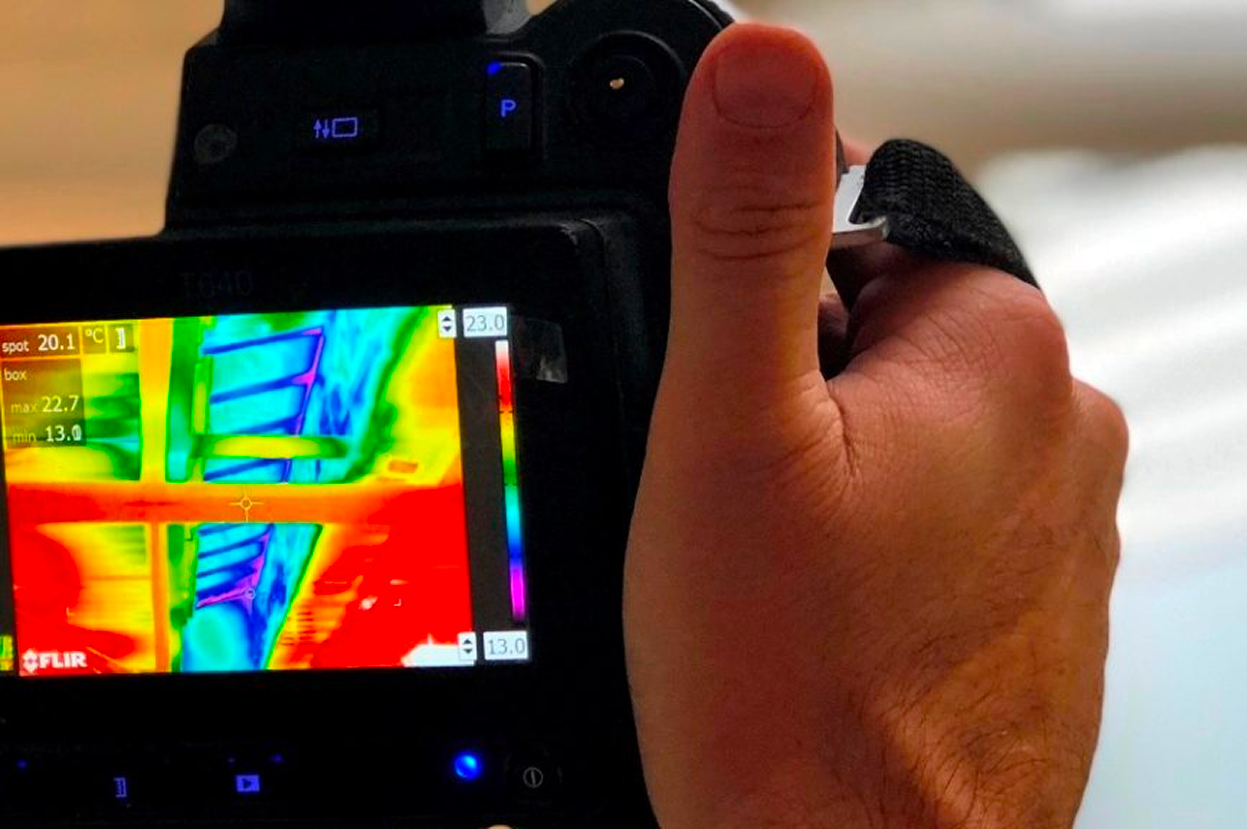
Keeping a rental space clean and well-maintained is essential for both landlords and tenants. One innovative tool that is gaining popularity in property management and cleaning is the thermal imaging camera. This technology helps detect hidden issues that are invisible to the naked eye, enabling more thorough cleaning and timely maintenance. This blog post explains how thermal imaging cameras work, their applications in rental space cleaning and inspection, and practical tips for effective use.
How Thermal Imaging Cameras Work
Thermal imaging cameras detect infrared radiation (heat) emitted by objects and convert it into a visual heat map. Different temperatures show up as varying colors, allowing users to see temperature variations across surfaces. This capability reveals hidden moisture, leaks, insulation gaps, and even dirt or contaminants that affect thermal properties.
Applications in Rental Space Cleaning and Inspection
- Detecting Moisture and Water Leaks: Moisture trapped behind walls, under floors, or around plumbing fixtures shows up as cooler areas on thermal images. Early detection prevents mold growth and structural damage.
- Identifying Insulation Problems: Poor or missing insulation appears as temperature anomalies, helping landlords improve energy efficiency and tenant comfort.
- Locating HVAC Issues: Thermal cameras can reveal uneven heating or cooling, indicating HVAC malfunctions or duct leaks.
- Spotting Pest Infestations: Some pests generate heat signatures or cause temperature changes in nesting areas, which thermal imaging can detect.
- Assessing Cleanliness: Areas with dirt, spills, or organic residues may retain moisture or have temperature differences, assisting in identifying spots needing deeper cleaning.
How to Use Thermal Imaging Cameras for Rental Space Maintenance
- Select a Suitable Camera: Choose a thermal imaging device with adequate resolution and temperature range for building inspection.
- Scan Methodically: Move the camera slowly over walls, ceilings, floors, and around plumbing or HVAC components to identify temperature irregularities.
- Interpret Images Carefully: Look for unusual hot or cold spots that may indicate leaks, insulation gaps, or contamination.
- Combine with Visual Inspection: Use thermal imaging alongside physical inspection to verify and pinpoint issues.
- Document Findings: Capture images and notes to track problems and communicate with tenants or maintenance professionals.
Benefits of Thermal Imaging in Rental Property Management
| Benefit | Description |
|---|---|
| Early Problem Detection | Identifies hidden issues before they escalate into costly repairs. |
| Non-Invasive Inspection | Allows inspection without damaging walls or flooring. |
| Improved Cleaning Quality | Reveals areas needing attention beyond visible dirt. |
| Energy Efficiency | Helps detect insulation and HVAC problems to reduce energy waste. |
| Enhanced Tenant Satisfaction | Proactive maintenance leads to healthier, more comfortable living spaces. |
Safety and Practical Considerations
- Training: Basic understanding of thermal imaging interpretation improves accuracy.
- Lighting Conditions: Thermal cameras work independently of visible light, so inspections can be done anytime.
- Device Care: Keep lenses clean and handle equipment carefully to maintain performance.
Conclusion
Thermal imaging cameras offer a powerful, non-invasive method to enhance cleaning and maintenance of rental spaces. By detecting hidden moisture, insulation gaps, HVAC issues, and contamination, they enable landlords and tenants to address problems early and maintain a healthier environment. Integrating thermal imaging into routine inspections improves property upkeep, reduces repair costs, and ensures tenant comfort and satisfaction.